
 24-hour online reservation
 Letter of introduction here


Equipment introduction
A full range of medical equipment
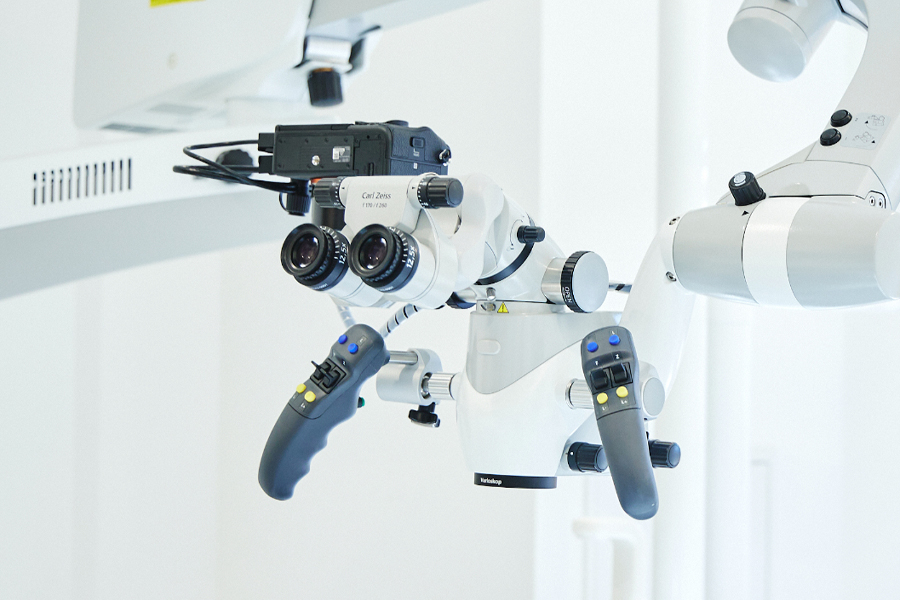
Microscope
This dental stereo microscope allows for approximately 20x magnification of the surgical field. The surgeon’s line of sight (observation visual axis) and the direction of the light (illumination axis) are nearly aligned, and a sufficient working space is secured between the microscope and the tooth being treated, enabling excellent visibility and precise treatment.
It is an essential medical device when treating the narrow, dark interior of a tooth (root canal system).
Our clinic uses Carl Zeiss microscopes, which are highly regarded for their optics.
Video recording and presentation system
This system can record video of treatment under a microscope. The recorded video is a valuable explanatory tool that allows you to view a digest version of the day’s procedure after treatment.
You can see pre- and post-operative changes, bleeding and pus discharge from root canals, tooth fractures, and more, and share the treatment process with everyone.

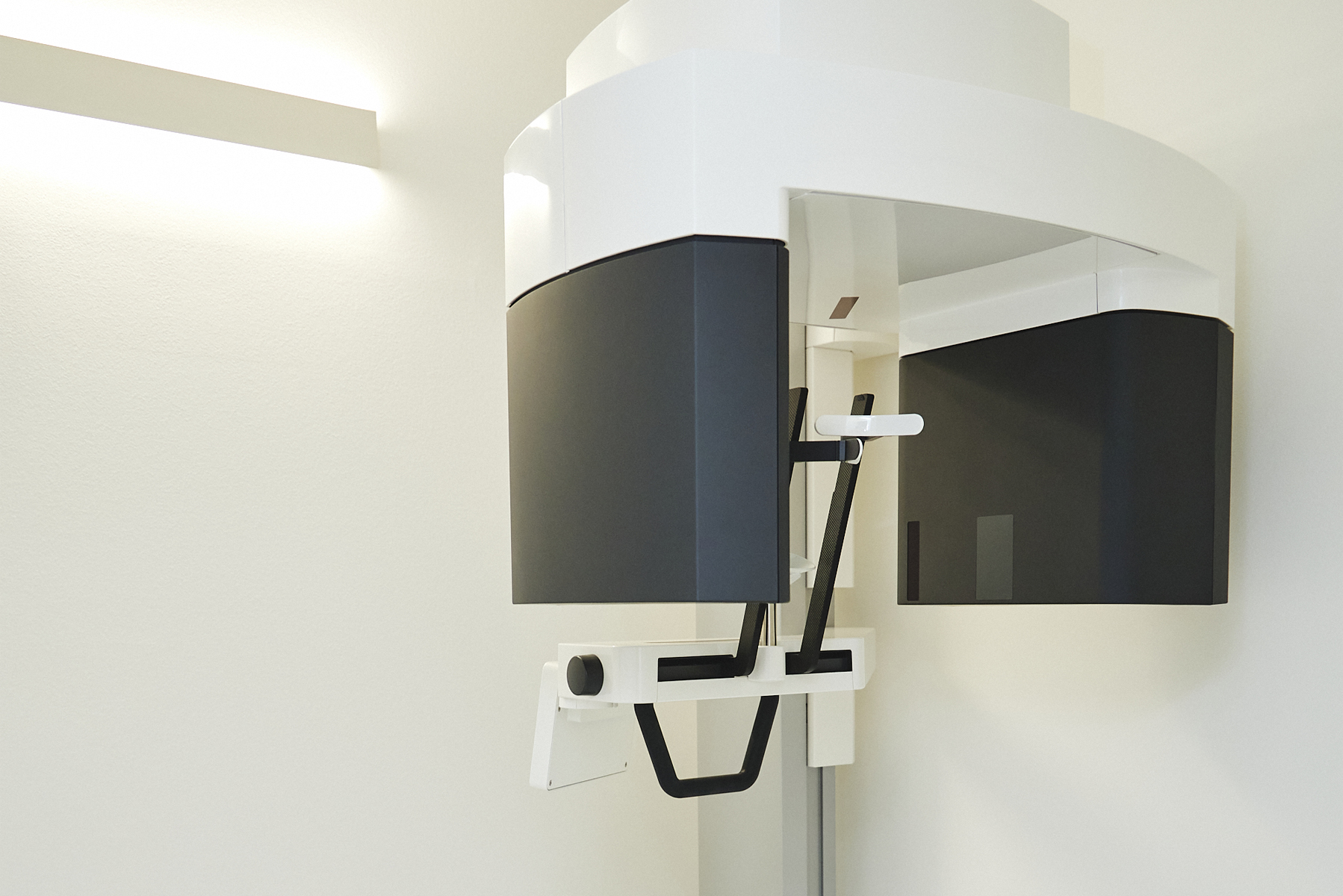
Dental CBCT
This is an X-ray diagnostic equipment that allows for 3D observation of the teeth to be treated and the surrounding bone. Unlike medical fan-beam CT, it uses a cone-beam system, allowing for a small imaging range (40mm x 40mm) and high-resolution CT scans with a voxel size of 80μm.
Furthermore, the dental CBCT used at our clinic uses horizontal X-ray irradiation to reduce artifacts and distortion, allowing for accurate diagnosis with a low effective dose that minimizes the impact on the body.
Dental Lasers
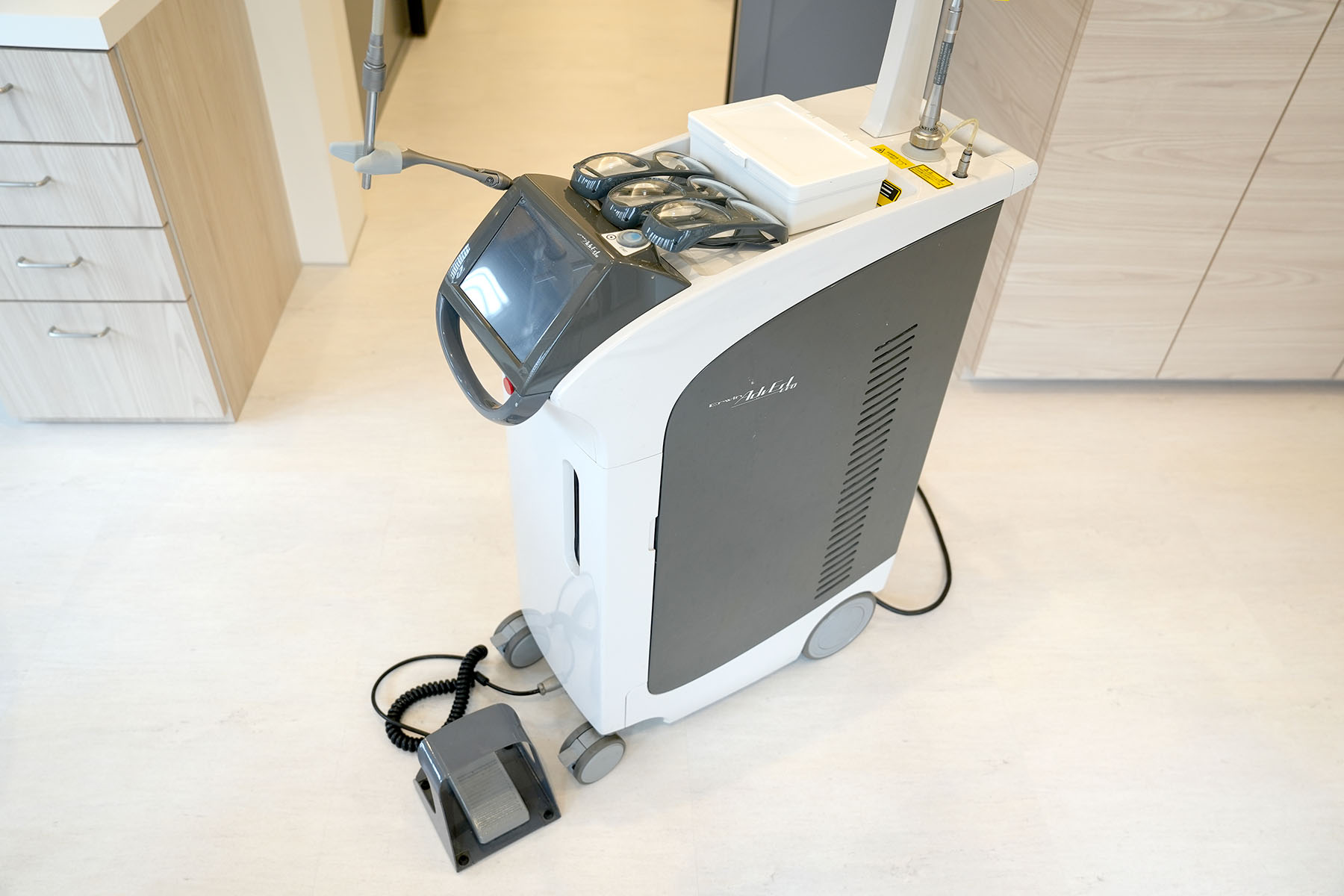
The erbium YAG laser (Er:YAG laser) used at our clinic is a medical device that can be used to vaporize, incise, stop bleeding, and coagulate hard and soft tissues. The wavelength of the Er:YAG laser is particularly well absorbed by water-containing biological tissue, and because it acts only on the surface, it generates less heat. This allows for less pain during treatment.
In endodontic treatment, irradiating the root canal irrigant inside the root canal creates microbubbles (cavitation) as energy is absorbed, which is believed to enhance the cleaning effect inside the root canal. By using the laser in the anatomically complex interior of a tooth, in areas that are difficult for instruments to reach, and in narrow root canals, it is expected to improve treatment outcomes.
Dental pulp stem cell equipment
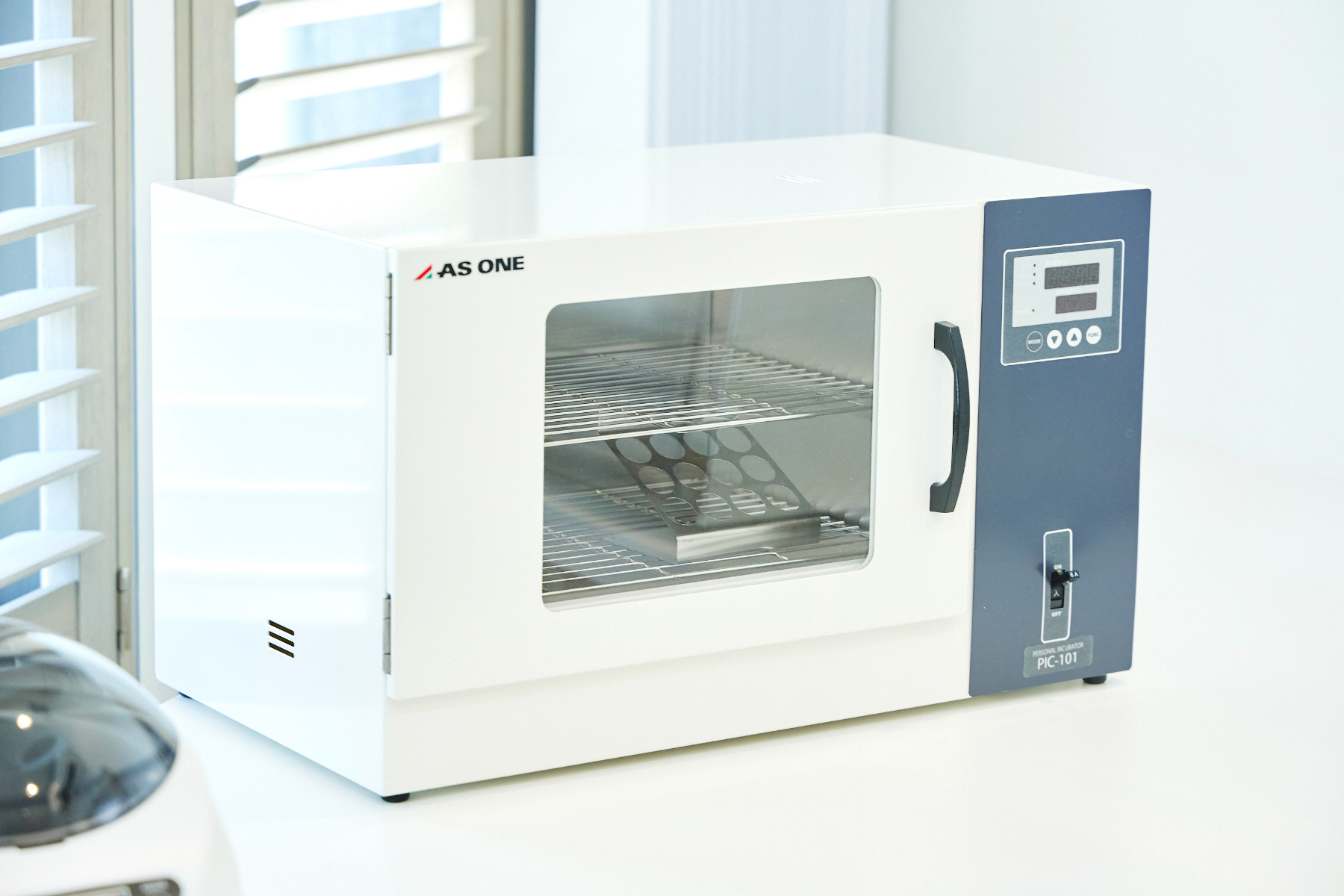
In order to perform regenerative medicine using dental pulp stem cells, the Act on the Safety of Regenerative Medicine, etc. requires that we cooperate with a cell culture and processing facility that handles dental pulp stem cells and submit a facility notification stating that we are capable of performing cell transplants.
In addition to establishing this medical system, the clinic must have equipment (clean benches) for cell preparation in an environment that is free of dirt, dust, and airborne microorganisms, as well as equipment used in biological research, such as centrifuges and pipettes.
Our clinic has implemented these processes and equipment and meets the facility standards for providing Type 2 regenerative medicine.
Infection Control System
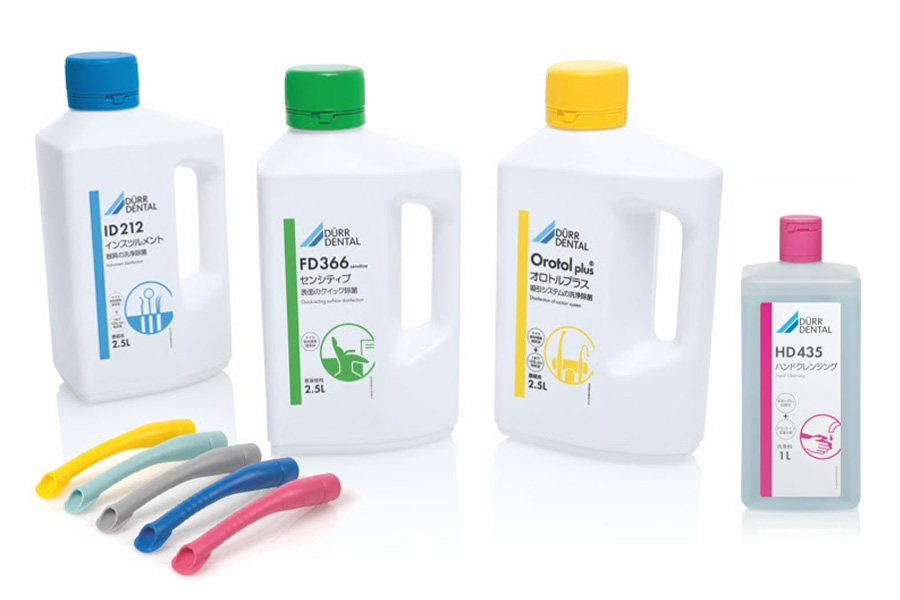
We recycle medical equipment in accordance with the German RKI guidelines, which are followed in 30 European countries . We have introduced a system for the chemical solutions used in the process, and use hygiene products from Dürr Dental. We use them for everything from instruments, medical equipment surfaces, suction systems, hand care, and cannulas.
Washer Disinfector
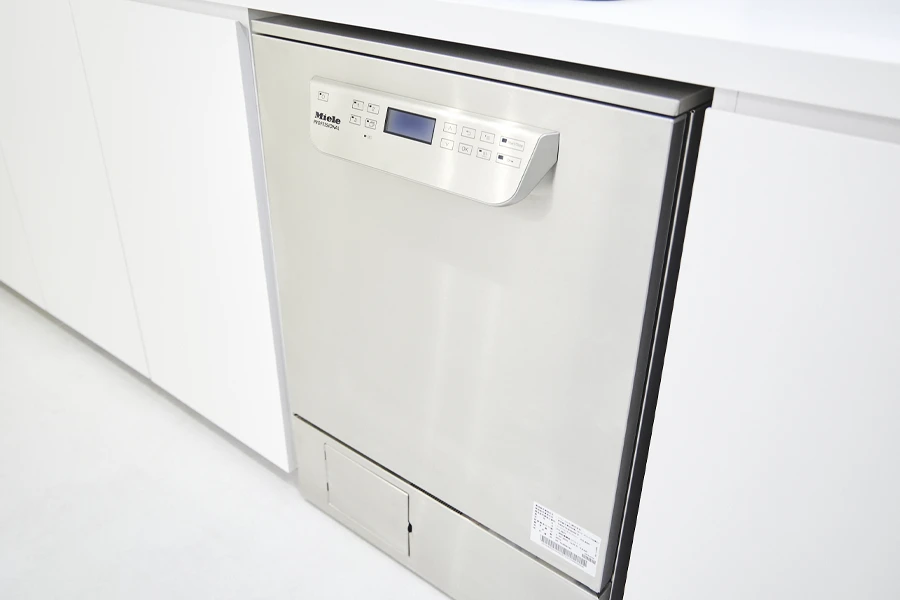
This hot water sterilizer meets the international standard ISO15883 and can inactivate heat-resistant pathogens such as hepatitis B. It is superior in infection prevention compared to manual cleaning by staff, and can also wash, rinse, disinfect with hot water, and dry many instruments at once with high quality.
Our hospital has installed a washer-disinfector made by Miele, a company with a long history and high reputation in the medical world.
sterile equipment
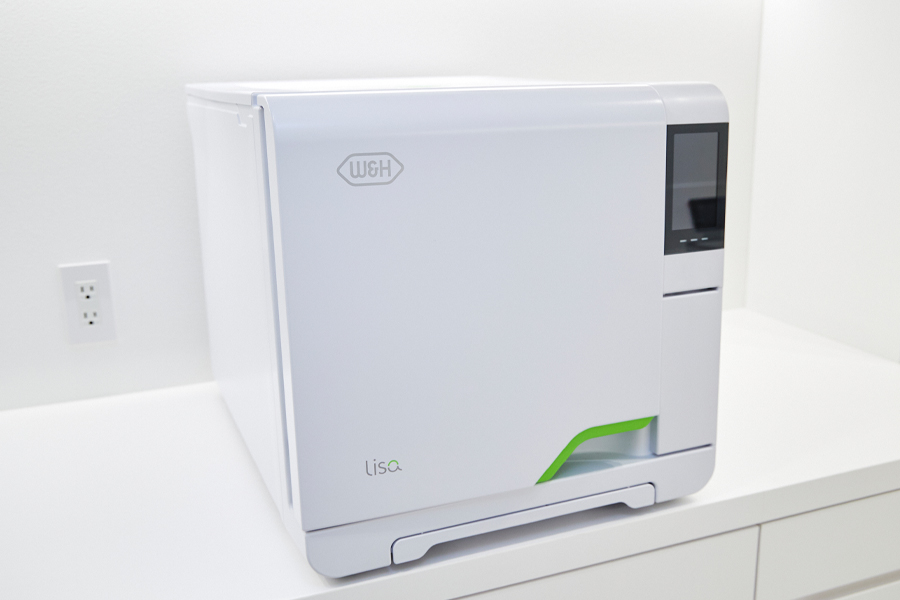
We have installed a high-performance Class B autoclave that complies with European standard N13060. All shapes of objects (solid, hollow, porous, single-wrapped, double-wrapped) can be sterilized. Sterilization is essential for critical instruments that penetrate epithelial tissue or mucous membranes, including instruments used during open surgical procedures, as well as endodontic files and periodontal pocket examination probes. The sterilization process using a Class B autoclave eliminates all bacteria and viruses.
Dental anesthesia electric syringe
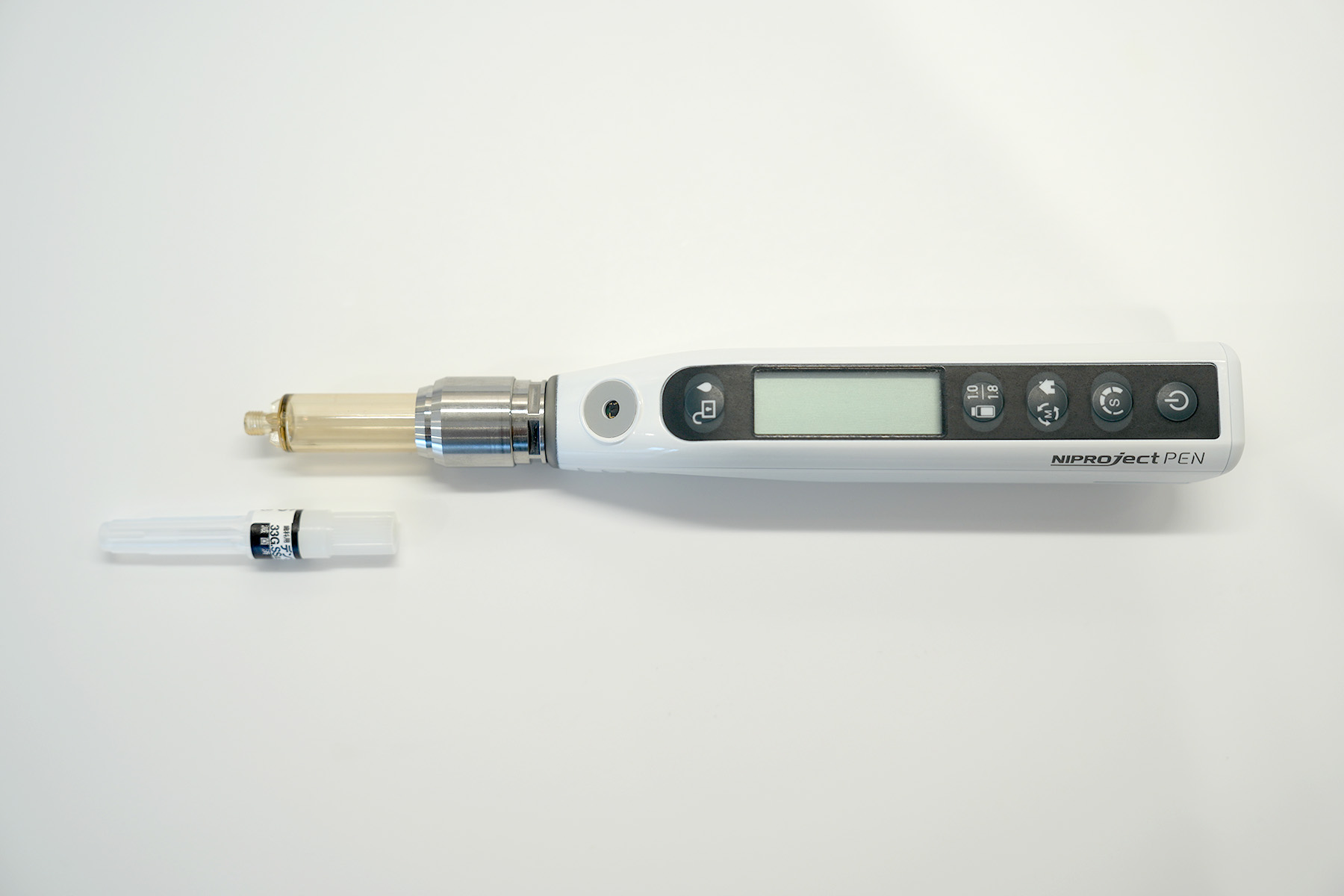
Regardless of age or gender, everyone wants to receive an anesthetic injection as painlessly as possible. Pain and discomfort can be caused by the irritation caused by the anesthetic needle, the temperature of the injected solution, and the amount injected. Irritation caused by the anesthetic needle can be reduced by using a topical anesthetic or an extremely thin anesthetic needle. The anesthetic solution is heated to body temperature using a specialized heater. Regarding the final injection amount, using this electric syringe automatically controls the injection volume and speed, reducing pain and discomfort. At our clinic, we use topical anesthetics, an extremely thin anesthetic needle (33 gauge), an anesthetic solution cartridge warmer, and an electric syringe to provide treatments that are considerate of pain and discomfort.

 24-hour online reservation
 TEL Reservetion
 Letter of introduction
 online reservation